Most electric vehicle owners do the bulk of their charging in the driveway or garage overnight. That makes home EV charger installation one of the more common electrical projects in newer Murfreesboro subdivisions, and more and more in older homes near downtown too. The car is the easy part. The house has to be ready for a steady, heavy load that can run for hours at a time.
This guide walks through the choices you'll face: which charging level makes sense, what a Level 2 setup asks of your wiring and panel, where to mount the equipment, and what the installation visit usually looks like. It stays general on purpose, since every home and every vehicle is a little different.
Level 1 vs Level 2: the real difference
Level 1 charging uses an ordinary 120-volt household outlet and the cord that often comes with the car. It needs no new wiring in many cases, but it adds range slowly. For a short commute and a car that sits all night, some owners find it is enough.
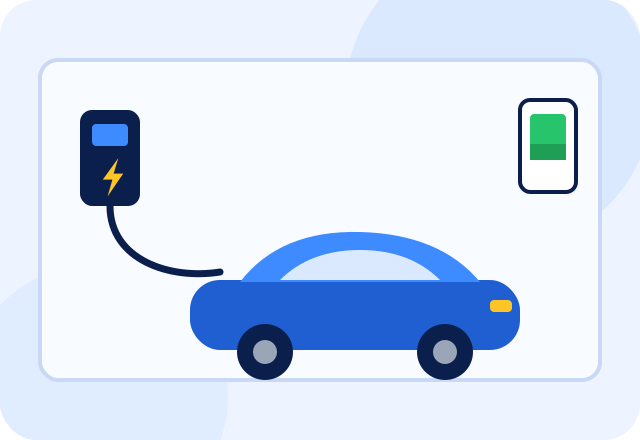
Level 2 charging runs on 240 volts, the same kind of circuit that feeds an electric dryer or range. It refills a battery several times faster, which matters if you drive a lot, share one charger between two cars, or simply want a full battery every morning without planning around it.
- Level 1: standard outlet, slow, fine for light daily driving if the outlet and circuit are in good shape.
- Level 2: dedicated 240-volt circuit, much faster, the usual choice for a primary vehicle.
- Either way, the circuit should serve only the charger. Sharing it with a freezer or shop tools invites tripped breakers.
Check the existing outlet first. Even Level 1 charging pulls a steady load for hours. An older garage outlet with loose connections or a worn receptacle can run warm. If the cover plate feels hot or looks discolored, stop using it and have it looked at.
Level 2 charger electrical requirements
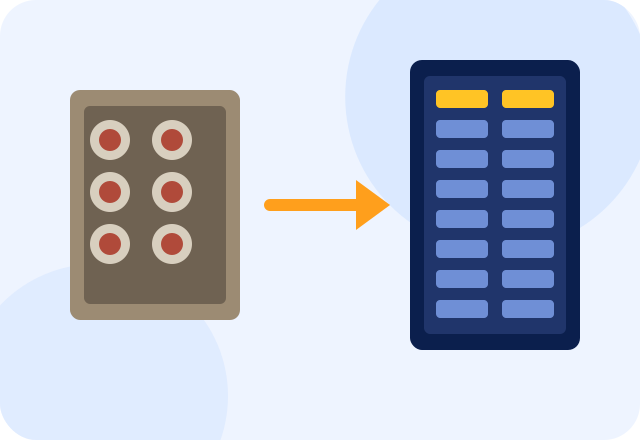
A Level 2 charger needs its own 240-volt circuit, sized to the charger's rated output with the extra margin that current electrical code expects for continuous loads. The electrician will size the breaker and the wire together, so they match the equipment you picked.
You'll also choose between two connection styles. A plug-in unit connects to a heavy-duty 240 volt outlet for electric car charging (a NEMA 14-50 is common). A hardwired unit connects directly to the circuit with no plug. Hardwiring is often preferred for higher-output chargers and for outdoor mounting, while a plug-in unit is easier to take with you if you move.
- A dedicated breaker in the panel, correctly sized for the charger.
- Wire gauge matched to the breaker and the length of the run.
- A receptacle rated for the job, or a hardwired connection per the manufacturer's instructions.
- GFCI protection where current code requires it.
- Weather-rated equipment and fittings if the charger is mounted outdoors.
For more detail on the service itself, see EV charger installation and the related work on dedicated circuits.
Does your panel have room?
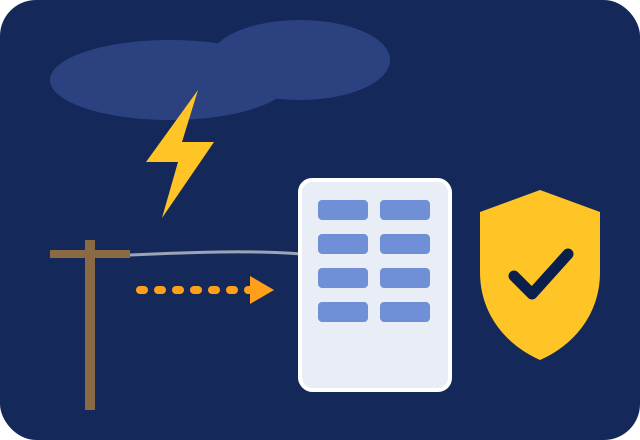
This is the question that decides how simple the project will be. A charger is a large, long-running load that stacks on top of your heat pump, water heater, range and dryer. On hot, humid Middle Tennessee evenings, when the AC is working hard, that total can add up quickly.
An electrician checks EV charger panel capacity with a load calculation, not a guess based on how many empty breaker slots you see. Open slots do not mean spare capacity. Depending on the result, you may be fine as is, you may use a lower charging setting, or you may need more service.
- Plenty of capacity: add the circuit and charger.
- Tight capacity: set the charger to a lower output, or use a load management device that throttles charging when the house is busy.
- Not enough capacity or an aging panel: an electrical panel upgrade may come first.
If your breakers already trip now and then, read how to tell if your panel is outdated before you order a charger.
Choosing a spot for the charger
Placement affects cost, convenience and safety more than people expect. The shorter the run from the panel, the less wire and labor involved. A panel on the garage wall is the easy case. A panel on the far side of the house, or a detached garage, means a longer run.
- Mount it where the cable reaches the car's charge port without stretching across a walkway.
- Keep it clear of spots where a bumper, mower or bicycle can knock into it.
- Outdoors, pick a location that stays out of standing water and use equipment rated for wet locations.
- Think ahead: if a second EV is likely, mention it now so the wiring plan can allow for it.

What the installation usually involves
Call and describe the setup
Share your panel's location, where you park, and the charger you're considering. That helps the electrician plan the visit.
On-site look and load check
The electrician checks the panel, measures the route, and runs a load calculation.
Permit, if required
Many cities and counties require a permit for a new 240-volt circuit. Check with your city or county, or ask the electrician to handle it.
Install and test
The circuit is run, the charger is mounted and connected, and everything is tested with the car plugged in.
Inspection
Where a permit was pulled, a local inspector may need to sign off before the job is closed out.
Ask for a written quote after the on-site look. That's the only way to get a real number, since the run length and panel condition vary so much from house to house.
Key takeaways
- Level 2 charging needs a dedicated 240-volt circuit; Level 1 uses a standard outlet but charges slowly.
- Panel capacity is decided by a load calculation, not by counting empty slots.
- Charger location drives much of the job's complexity, so think about placement early.
- Many local jurisdictions require a permit for new 240-volt circuits.
Frequently asked questions
Often yes, for Level 1 charging, as long as the outlet and circuit are in good condition and not shared with other heavy loads. It charges slowly, and an old or loose outlet can overheat under hours of steady draw, so have questionable outlets checked first.
Both work well when installed correctly. A plug-in unit on a heavy-duty 240-volt outlet is easy to remove if you move, while a hardwired unit avoids plug wear and is often preferred for higher-output chargers or outdoor mounting.
They perform a load calculation that adds up your home's major appliances, heating and cooling, and the charger itself. The result shows if you have room, need a lower charger setting or load management, or need more service capacity.
Requirements are set locally, and many cities and counties require a permit for a new 240-volt circuit. Check with your city or county building department, or ask the electrician you're connected with whether they will pull it for you.
Yes, as long as the charger and all fittings are rated for outdoor or wet locations and the circuit has the protection current code requires. Placement should keep the unit out of pooling water and away from spots where it could be bumped.
Mention it before the installation. The electrician can plan the wiring, panel space, or a load-sharing setup so adding a second charger later does not mean starting over.