
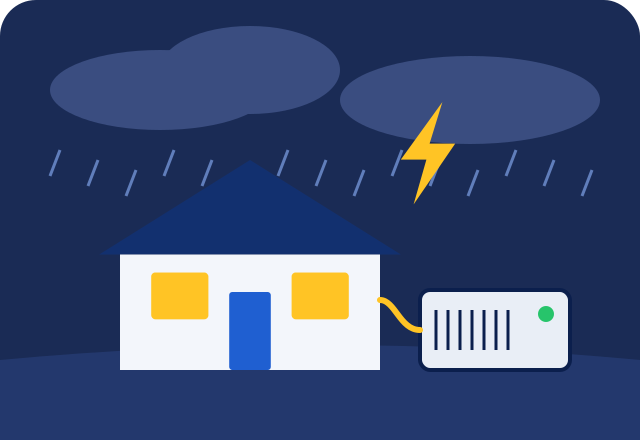
The point of a transfer switch, or an approved interlock, is to keep the generator and the utility completely separated. If you're in Murfreesboro or nearby, a call here connects you with a local electrician who can install a generator hookup that's done right.
Why backfeeding is so dangerous
Some people plug a generator into a dryer receptacle with a double-ended cord, sometimes called a suicide cord. That sends power backward through the panel and out onto the utility lines. The transformer on the pole steps that voltage up to thousands of volts, where it can electrocute a line worker who believes the line is dead. It can also energize your neighbor's wiring, and when utility power returns it can destroy the generator or start a fire.
A transfer switch prevents this by making it physically impossible to connect the generator and the utility at the same time. A manual transfer switch has its own set of circuits you flip over. An interlock kit is a mechanical plate on your main panel that allows the generator breaker on only when the main breaker is off. Either one, fed from a proper inlet box, is the legal and safe way to connect a portable generator.
When a generator hookup makes sense
- You own a portable generator and want to use it without cords through the house
- You need to run hardwired equipment like a well pump or gas furnace blower
- You want a lower-cost step before a full standby generator
- You've been using a double-ended cord and want to stop
- You're buying a generator and want the house ready before storm season
Warning signs in an existing generator setup
- A cord with male plugs on both ends anywhere in the garage
- No interlock or transfer switch on a panel that's been fed by a generator
- Inlet box wired to a breaker without any interlock mechanism
- Generator running inside a garage or near an open window
- Scorched or melted cord ends after a past outage
What installing a transfer switch or interlock involves
The electrician starts by matching the hookup to your generator's output and receptacle type, then decides between a manual transfer switch and a panel interlock based on your panel model and the circuits you want. An outdoor inlet box is mounted in a spot where the generator can sit a safe distance from doors and windows, and a cable is run from the inlet to the panel or switch. A permit is often required, and the finished install is labeled so anyone in the house can follow the switchover steps.
- Generator output rating and cord and inlet configuration
- Panel compatibility with a listed interlock kit
- Circuit selection so the generator isn't overloaded
- Inlet location away from doors, windows and vents
- Proper neutral and grounding arrangement for your generator type
- Clear labeling and switchover instructions
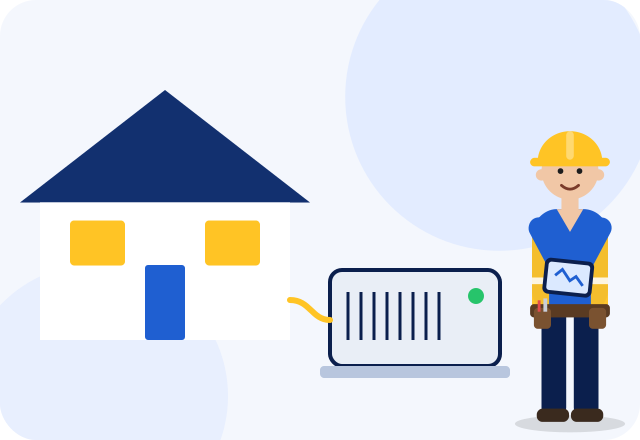
Safety first. Always run a portable generator outdoors, well away from the house, never in a garage, carport or under a window, and keep a working carbon monoxide alarm inside. Switch the main breaker off before energizing the generator breaker, and follow the reverse order when utility power returns. Let the generator cool before refueling. The guide on what to do during a power outage has more practical steps.
How it usually works
Call to connect
Call and describe your generator and what you want powered. You'll be connected with a local electrician.
Check panel and generator
The electrician confirms the generator output, panel type and which circuits to include.
Install switch and inlet
The transfer switch or interlock, inlet box and cable are installed and labeled.
Walk through switchover
The electrician tests the setup with your generator and shows you the safe switchover sequence.
In Murfreesboro and Middle Tennessee homes
Rural homes around Rutherford County and the smaller towns in the region often rely on well water, so an outage means no running water until the pump has power. A generator hookup that includes the well pump circuit is one of the most practical upgrades for those properties. After spring storms or a winter ice event, being able to plug in at the inlet and flip a couple of breakers makes a long outage much more manageable.
Related electrical problems
Seeing one of these at home? Each guide explains likely causes and what's safe to check before you call about generator transfer switch.