
What to do right now
- Read the label on the panel door, without removing the cover, to see the brand and the main breaker size.
- Feel the outside of the panel door with the back of your hand. Warmth is a warning sign.
- Listen for buzzing or crackling near the panel.
- Keep the area in front of the panel clear and dry.
Common causes
Known problem panels
Federal Pacific panels with Stab-Lok breakers and Zinsco panels have long histories of breakers that may fail to trip or connections that overheat. Many electricians recommend replacing them.
Not enough capacity
Adding central air, a heat pump, an EV charger, a hot tub or a workshop can push demand past what an older service can supply.
No room for circuits
A full panel often leads to tandem breakers or shared circuits, which make new work harder and overloads more likely.
Age and wear
Breakers and bus bars wear. Corrosion from moisture, especially in garages, basements and exterior panels, weakens connections.
Fuses
Fuse boxes still work in some homes, but many insurers and buyers view them as outdated, and they make it easy to install the wrong fuse size.
Signs it's more serious
- The panel or a breaker feels hot, or you see scorch marks or melted plastic.
- Breakers trip regularly with normal household use.
- Rust or water stains are visible on or around the panel.
- Lights flicker or dim throughout the house when appliances start.
- You smell burning near the panel.
- The panel is a Federal Pacific (Stab-Lok) or Zinsco model.
When to stop and call. Heat, buzzing, a burning smell or scorch marks at the panel mean call an electrician right away and avoid using heavy loads in the meantime. Do not open the panel or remove the cover. If you see smoke or flame from the panel, get everyone out and call 911.
Safe things you can check or note
- Note the brand name and model information printed on the panel door or label.
- Count how many breakers are labeled and whether the panel looks full.
- Keep a list of large appliances added since the home was built.
- Check whether your insurer or a home inspection report has mentioned the panel.
Leave covers, boxes and the panel closed. Noting what you see is enough; testing and repairs belong to an electrician.

What an electrician typically checks
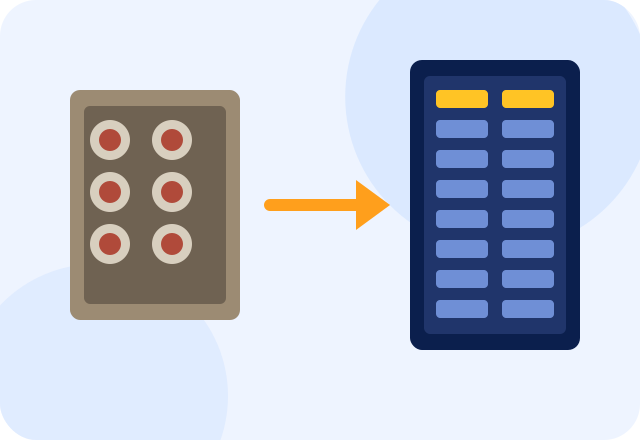
An electrician evaluates the panel's condition, brand, capacity and grounding, then calculates the home's electrical demand. If an electrical panel upgrade is the right answer, the job typically includes a new panel and main breaker, updated grounding and bonding, and coordination with the utility and local inspector. Permits vary, so check with your city or county.
In some cases a single worn breaker is the issue, and circuit breaker replacement may be enough. Homes still on fuses usually need fuse box replacement.
Preventing it from coming back
Keep the panel dry, labeled and accessible, and have it looked at before adding large loads. In Murfreesboro, older homes near downtown are more likely to have outdated panels, while many newer subdivision homes may simply need more capacity for EV chargers and additions. The guide is your electrical panel outdated goes deeper.